

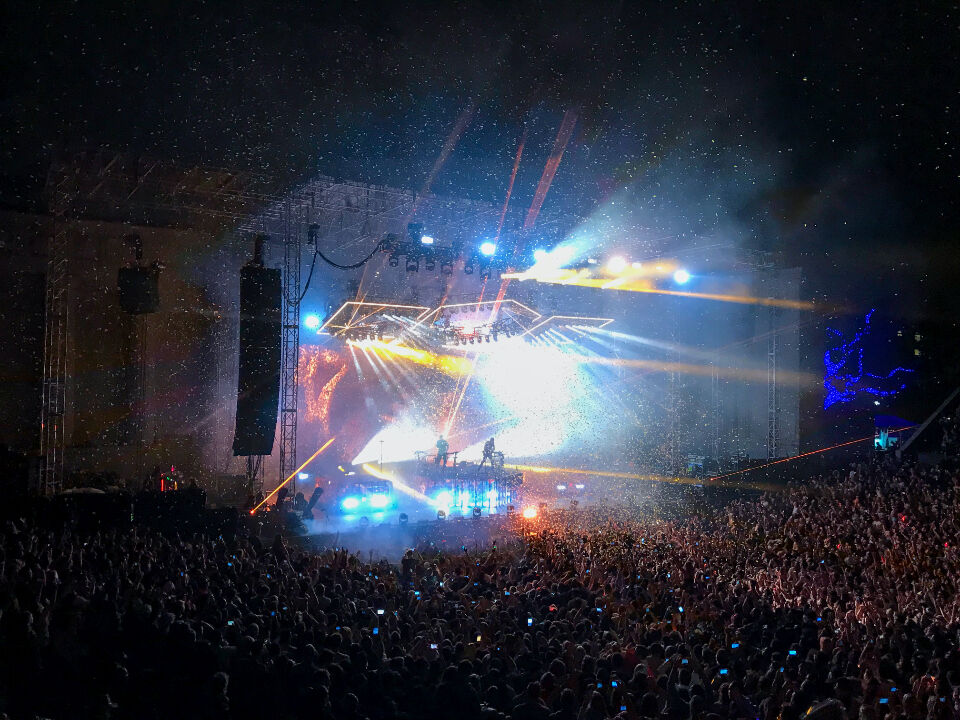
A big night of live music can leave you buzzing for days. Sometimes the buzzing is literal. That dull, muffled feeling on the drive home is your ears telling you they took a beating.
Concerts, festivals and loud parties are a big part of social life for many Australians. Most of us give more thought to tickets and outfits than to our hearing. Yet the damage from loud sound adds up quietly over the years. The good news is that a few simple habits make a real difference.
How loud sound affects your ears
Loud noise can damage the sensitive structures in the inner ear. According to the Know Your Noise hearing health guide, the damage builds up over time. The louder the sound and the longer you are exposed, the more harm is likely. Sound does not have to hurt to cause damage.
A handy test is your own voice. If you need to raise it to be understood by the person next to you, the sound around you is probably too loud. At most gigs that point arrives well before the headline act. It is worth keeping in mind from the first song.
Noise injury is described as the only type of hearing loss that is completely preventable. That makes it one of the easier health habits to change. You do not need to stop going out. You just need to plan for the volume.
How long is too long at a gig
Sound is measured in decibels. Sounds below 75 decibels are unlikely to cause hearing loss, even after long exposure. Repeated or lengthy exposure at or above 85 decibels can cause hearing loss. That is roughly the level of a vacuum cleaner.
Concerts sit well above that mark. The Know Your Noise guide puts a typical pop or rock concert at about 103 decibels. At that level the safe time without protection is around seven and a half minutes. Most shows run for hours, so the maths is not on your side.
It helps to think of it as a daily allowance. Every few extra decibels cuts the safe listening time sharply. A personal music player at full volume can reach about 106 decibels. That gives you less than four minutes before the risk climbs.
Warning signs after a loud night
Your ears often give you clues after a loud event. Sounds may seem muffled or distorted. Speech can be harder to follow, especially in a busy room. You might notice ringing, buzzing or roaring in one or both ears.
That ringing is called tinnitus. It may fade, but it can also become permanent. Temporary hearing loss after a gig can clear within 16 to 48 hours. Even when hearing seems to bounce back, some lasting damage may remain.
Children’s Health Queensland lists other signs of overexposure in its guide to the risk of hearing loss. These include ear pain, dull hearing after loud music and trouble hearing in loud venues. Needing to keep turning up the volume is another clue. If any of these keep happening, it is a good time to book a hearing check.
Simple ways to protect your hearing at events
Protecting your ears at a show is easier than most people expect. A little planning before you leave home does most of the work. Here are some habits worth building into every night out.
- Pack earplugs and wear them from the start of the show.
- Stand well back from the speakers and the stage stacks.
- Take regular breaks in quieter spots, such as the bar or the food area.
- Give your ears a quiet day after a big event.
- Keep headphones at a moderate volume on the trip home.
Earplugs can reduce sound levels by about 15 to 35 decibels. Many people worry they will spoil the music. Wearing them from the first song gives your ears the most benefit. Cotton wool or tissue offers little protection, so leave those at home.
Breaks matter as much as earplugs. Time in a quieter area gives your ears a chance to rest. Even a short walk away from the main stage helps. At an all day festival, plan a few of these pauses into your day.
Weddings, parties and other loud celebrations
Festivals are far from the only loud events. Wedding receptions, milestone birthdays and work functions often have a DJ or band. If you are planning a wedding in Bali or closer to home, think about where the speakers will sit. Guests who want to chat will thank you for a quieter corner.
The wedding party tends to spend the longest near the dance floor. While you are sorting out bridesmaid robes and other details, a small pack of earplugs is an easy extra. It fits in a clutch or a pocket. Nobody will notice them once the dancing starts.
Looking after your hearing for the long run
Hearing is easy to take for granted until it changes. The same goes for our other senses. Many people only think about their eyes when they start reading about alternatives to cataract surgery. Hearing deserves the same early attention.
Long term hearing loss may have no obvious symptoms at first. A hearing test can pick up changes you have not noticed yourself. If you go to a lot of gigs, play in a band or work around loud sound, regular checks are sensible. Your GP is a good first stop.
Healthy habits are easier to keep when your friends are on board too. Bringing spare earplugs for the group is a simple start. It fits with other small ways to help your friends be healthier. After a while it just becomes part of getting ready to go out.
Frequently asked questions
Do earplugs make concerts sound worse?
Earplugs lower the volume but most people can still hear the music clearly. They can reduce sound levels by about 15 to 35 decibels. Wearing them for the whole show gives the most protection. It may take a song or two to get used to them.
Is ringing in the ears after a gig normal?
Ringing after a loud event is common, but it is a sign your ears have been overexposed. It may fade over a day or two. It can also become permanent. If it keeps coming back or does not settle, speak with your GP.
How far from the speakers should I stand?
There is no single safe distance, because venues and sound systems vary. The general advice is to keep your distance from speakers at loud events. Further back is usually quieter and easier on the ears. Wearing earplugs as well gives you extra protection.
Can kids go to concerts and festivals?
Children’s ears can be harmed by loud sound just like adults’ ears. If you take children to a loud event, give them proper ear protection. Keep them away from the speakers and take regular quiet breaks. Watch for signs such as ear pain or muffled hearing afterwards.
This article is general information only and is not medical advice. If you are worried about your hearing, ringing in your ears or any change in how you hear, speak with your doctor or a qualified health professional.